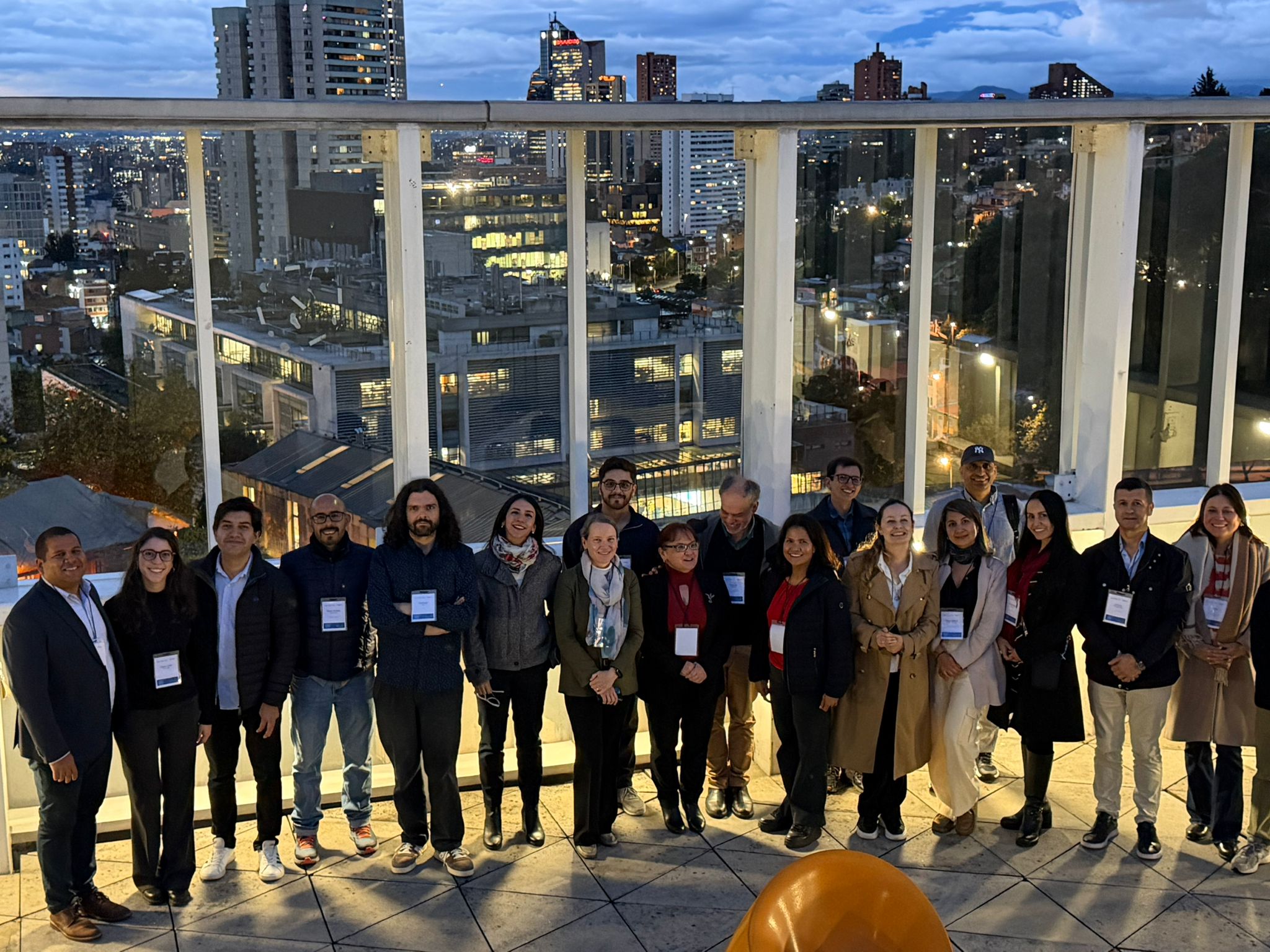
Reflections from the Business Ethics and Society Manuscript Development Workshop
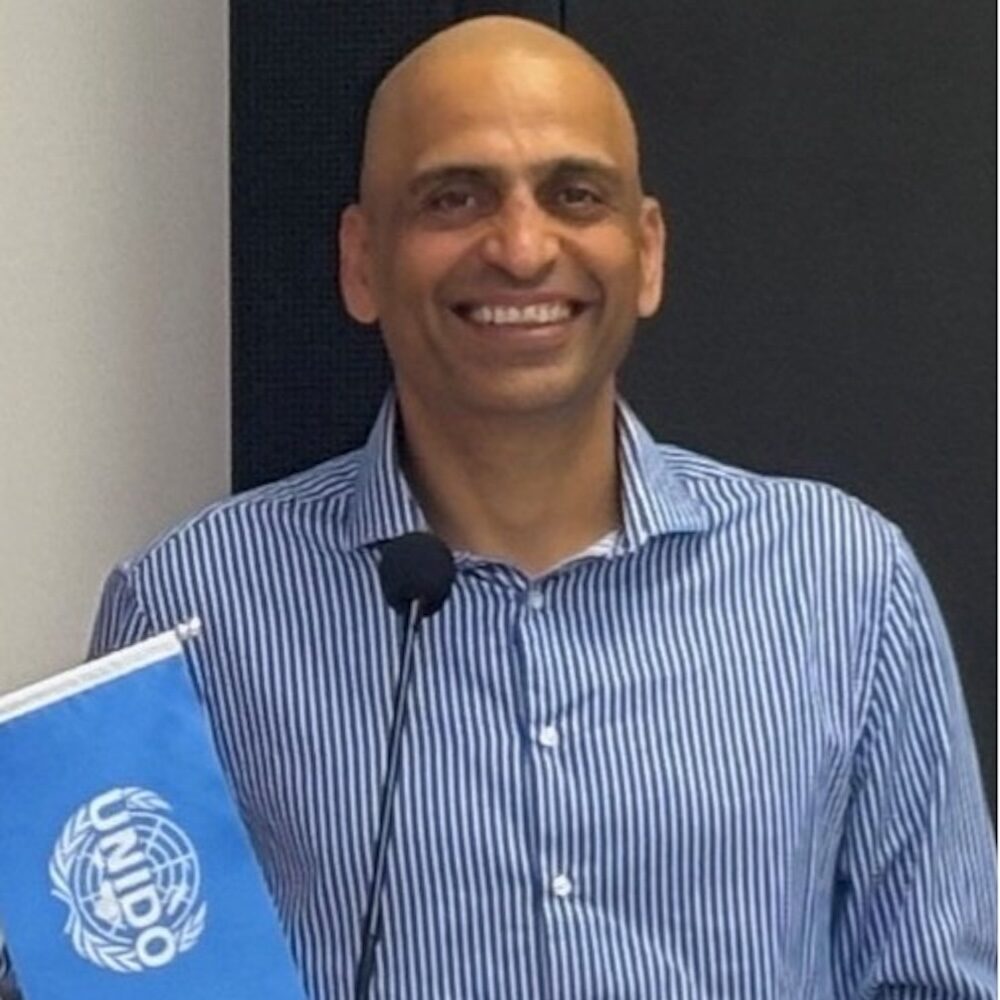
When I was invited to join the editors’ panel for the Bogotá Manuscript Development Workshop, part of what drew me was personal. I’ve published on sustainability strategies in Latin America. I know firsthand how hard it is to get that work taken seriously on its own terms; not as an exotic case study or as context to be explained away, but as a place where theory gets made. So, I didn’t go to Bogotá as a gatekeeper. I went as someone who has sat on both sides of this conversation.
What I saw as an editor
As editor of Business & Society, I spend a lot of time reading manuscripts that are rejected because authors, while using novel settings, fail to develop them in ways that advance theory; i.e., they apply frameworks developed elsewhere without generating new knowledge or developing boundary conditions on what has been examined elsewhere. What I was hoping the workshop would do, and what I think it genuinely began to accomplish, is help early-career researchers understand that this is both a missed opportunity and, increasingly, a correctable one.
The question the workshop organized itself around was how to use the novel contexts in ways that go beyond novel phenomena to novel ideas. My own work on sustainability practices across Latin America was built on the observation that institutional conditions don’t just moderate relationships; they reconstitute them in conjunction with the active strategizing by focal firms and actors. That’s a theoretical claim, not a contextual footnote. Getting that distinction across to researchers who are sitting on rich, locally grounded data is exactly the kind of work this workshop was set up to do.
In the editors’ panel — alongside Irene Henriques from the Journal of Business Ethics and María Andrea De Villa Correa from Long Range Planning, with Kathleen Rehbein moderating — we tried to make that case directly. Not “here’s how to package your Latin American work for a Western audience,” but rather here’s how to let your context do theoretical work. Those are very different editorial conversations, and I’m not sure early-career researchers always hear the second one clearly enough.
The room itself
What struck me about the participants was how much roundedness was already in the room. These are researchers working in contexts where firms are entangled with peacebuilding, where Indigenous frameworks like Buen Vivir challenge the basic assumptions of how we define value and responsibility, where the relationship between business and political life is not a theoretical nicety but a daily reality. That’s not a limitation to be managed. That’s the frontier of the field.
Dr. Angelika Rettberg’s keynote on the intersection of business and politics set exactly the right tone for this. It served as a reminder that what we study as scholars in Colombia carries weight beyond the academy.
I also want to acknowledge Irene’s amazing writing workshop on Day 1. Watching her work through the craft of an introduction with participants, interactively, using their actual manuscripts, was a reminder that editorial mentorship at its best is about helping people say clearly what they already know.
Finally, I must add that the entire trip was a blast. Great food, hospitable colleagues, amazing company, full of laughter … Yet, so productive. Indeed, we got a lot done… To top it off, I also had the chance to present my ongoing research at Universidad de los Andes. I couldn’t have asked for any more.
What I’m carrying back
I left Bogotá with a few things I intend to act on.
One is a sharper editorial commitment. Business & Society needs more submissions from this region and, more importantly, to be a journal where scholars in Colombia, across Latin America, and across the Majority World can see their theoretical contributions recognized as such. That means being deliberate on our end. And not just welcoming the work but signaling clearly what rigorous, contextually grounded theory looks like when it comes from outside the usual nodes of the field.
Another is a renewed conviction about where the interesting problems are. The researchers I met in Bogotá are working on questions that go to the heart of what the field is supposed to be about: what does responsible business look like when institutions are uneven? Who counts as a stakeholder when communities have their own frameworks of rights and value? What does sustainability mean when nature is not an input but a relational presence?
These aren’t peripheral questions. They’re the questions. The workshop was two days. The conversations it started will take a lot longer. I’m glad to have been in the room.


Leave a Reply